
"Kenyan coffee processing"
3000 article(s) found

A brief introduction to the Origin, Development, History and Culture of Fruit-flavored Kenyan Fine Coffee beans
Mainly by large farms (Estate) and cooperatives (Cooperatives) two types. The former generally has a large planting area and has independent coffee processing facilities. Most coffee production is done by a large number of small farmers, who form coffee cooperatives. The coffee cooperative society employs special managers to supervise the coffee handling process of its members, even fine enough.

A brief introduction to the treatment method of grinding degree and baking degree of spicy and unrestrained Kenyan boutique coffee beans
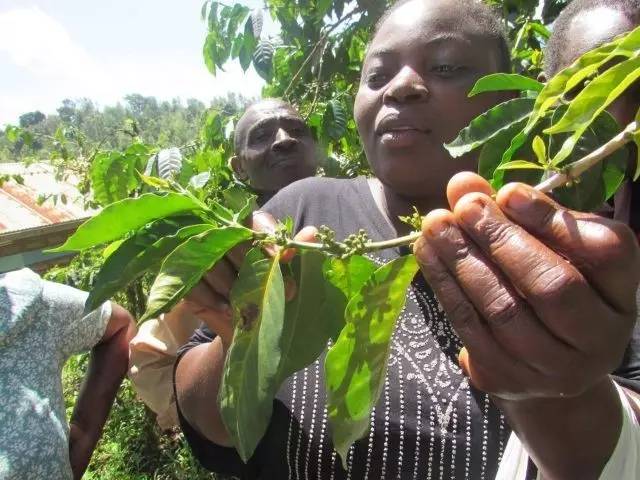
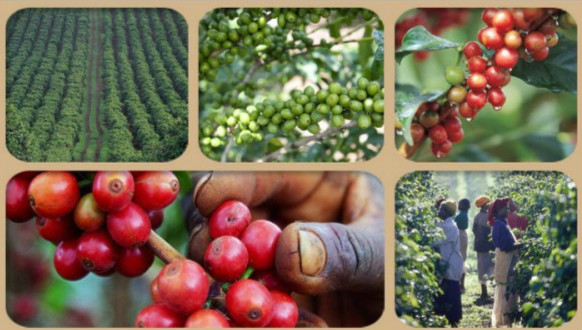
Large coffee processing farms in Kenya usually have independent processing facilities. A large number of small farmers usually pick ripe coffee fruits by hand. Coffee picking is a labor-intensive job that requires the whole family to deploy and even hire workers during the harvest season. The fresh fruits of the picked coffee need to be promptly transported to the cooperative-owned coffee processing plant for pulping and transportation.

A brief introduction to the market price of glossy Kenyan boutique coffee beans
Coffee cultivation in Kenya is mainly divided into two types: large farms (Estate) and cooperatives (Cooperatives). The former generally has a large planting area and has independent coffee processing facilities. Most coffee production is done by a large number of small farmers, who form coffee cooperatives. The Coffee Cooperative Society hired special managers to supervise the coffee handling of its members.
A brief introduction to the origin, development, history and culture of glossy Kenyan boutique coffee beans
Kenya coffee harvest season there are two harvest seasons in Kenya, the main harvest season is from October to December and the secondary harvest season is from May to July. Large coffee processing farms in Kenya usually have independent processing facilities. A large number of small farmers usually pick ripe coffee fruits by hand. Coffee picking is a labor-intensive job, which requires the whole family to go out or even return during the harvest season.

A brief introduction to the flavor and aroma characteristics of Kenyan boutique coffee beans
Coffee cultivation in Kenya is mainly divided into two types: large farms (Estate) and cooperatives (Cooperatives). The former generally has a large planting area and has independent coffee processing facilities. Most coffee production is done by a large number of small farmers, who form coffee cooperatives. The Coffee Cooperative Society hired special managers to supervise the coffee handling of its members.

A brief introduction to the flavor, taste and aroma characteristics of delicious Kenyan boutique coffee beans
Almost all Kenyan coffee is sold through the coffee exchange in Nairobi, the capital. Coffee auctions are held at coffee exchanges every Tuesday during the harvest season. Traders with trading qualifications will get raw bean samples in advance, and after the cup test, they will choose the raw beans they like. In the following auction, the highest bidder will get. The coffee auction system in Kenya is considered

A brief introduction to the Origin, Development, History and Culture of delicious Kenyan Fine Coffee beans
Almost all Kenyan coffee is sold through the coffee exchange in Nairobi, the capital. Coffee auctions are held at coffee exchanges every Tuesday during the harvest season. Traders with trading qualifications will get raw bean samples in advance, and after the cup test, they will choose the raw beans they like. In the following auction, the highest bidder will get. The coffee auction system in Kenya is considered

A brief introduction to the treatment method of grinding degree and baking degree of glossy Kenyan boutique coffee beans
Bourbon Bourbon was first brought to Kenya for planting. In the 1950s, the then agricultural research institution Scott Laboratory selected two excellent hybrids, SL-28 and SL-34, through unremitting efforts, subverting the long-standing prejudice of artificial breeding without excellent natural varieties. SL-28 and SL-34 helped Kenyan Coffee form its own unique

How does Kenyan AA Carrogoto taste? how does Kenyan coffee brew?
For the exchange of professional baristas, please follow the coffee workshop (Wechat official account cafe_style) what the taste of Kenyan coffee is, how Kenyan coffee is brewed, Kenyan coffee varieties were first brought to Kenya to grow Bourbon bourbon, in the 1950s, the then agricultural research institution ScottLaboratory selected SL- through unremitting efforts.

A brief introduction to the treatment method of grinding degree and baking degree of fruit-flavored Kenyan fine coffee beans
Bourbon Bourbon was first brought to Kenya for planting. In the 1950s, the then agricultural research institution Scott Laboratory selected two excellent hybrids, SL-28 and SL-34, through unremitting efforts, subverting the long-standing prejudice of artificial breeding without excellent natural varieties. SL-28 and SL-34 helped Kenyan Coffee form its own unique

How's the Kenyan coffee? what's the flavor of Kenyan coffee? the aftertaste of Kenyan coffee lingers for three days.
Professional coffee knowledge exchange more coffee bean information please follow the coffee workshop (Wechat official account cafe_style) front street-Kenya Coffee introduction in the 19th century, Kenyan coffee the earliest literature on coffee, is the 1893 French missionaries since the island of R é union coffee tree records, the first harvest of coffee beans was in 1896. The growing environment of Kenyan coffee Kenyan coffee owners

A brief introduction to the history and culture of the origin and development of Kenyan boutique coffee beans with rich taste
Kenya coffee harvest season there are two harvest seasons in Kenya, the main harvest season is from October to December and the secondary harvest season is from May to July. Large coffee processing farms in Kenya usually have independent processing facilities. A large number of small farmers usually pick ripe coffee fruits by hand. Coffee picking is a labor-intensive job, which requires the whole family to go out or even return during the harvest season.

Kenyan Coffee Flavor description processing methods Taste characteristics of Fine Coffee
Coffee entered Kenya in the 19th century, when Ethiopian coffee drinks were imported into Kenya from southern Yemen. But it was not until the early 20th century that the bourbon was introduced by the St. Austen Mission. Kenyan coffee is mostly grown at 15002100 meters above sea level and is harvested twice a year. Kenyan industrious people love coffee as much as lovers in love. Jim Ken

Kenyan coffee beans estate characteristics Graded production area Flavor description Processing method Taste introduction
Bourbon Bourbon was first brought to Kenya for cultivation. In the 1950s, Scott Laboratory, an agricultural research institution at that time, made unremitting efforts to select SL-28 and SL-34, two excellent hybrids, which overturned the long-term artificial breeding varieties without natural varieties.

Introduction to Robusta Coffee, the planting method of Kenyan Coffee varieties
The Kenyan coffee variety was first brought to Kenya to be planted in Bourbon bourbon. In the 1950s, through unremitting efforts, the then agricultural research institution Scott Laboratory selected two excellent hybrids, SL-28 and SL-34, subverting the long-standing prejudice that artificial breeding varieties are not excellent natural varieties. SL-28 and SL-34 help Kenyan coffee

A brief introduction to the treatment method of grinding degree and baking degree of Kenyan boutique coffee beans with rich taste
Coffee cultivation in Kenya is mainly divided into two types: large farms (Estate) and cooperatives (Cooperatives). The former generally has a large planting area and has independent coffee processing facilities. Most coffee production is done by a large number of small farmers, who form coffee cooperatives. The Coffee Cooperative Society hired special managers to supervise the coffee handling of its members.

Is the coffee rich in fruit and sour Kenyan coffee?
Kenyan coffee beans, usually with a wonderful fruit flavor, taste with a BlackBerry and grapefruit flavor, or citric acid sweet, aromatic, rich, fruity aroma. But apart from fruit tonality, Kenyan acid is its own essence. Speaking of Kenya, although compared with Ethiopia, which is rich in coffee beans and is the leader of coffee beans.
Flavor roasting and production of Kenyan coffee beans
Following Cafe Review (Wechat official account vdailycom) found that Beautiful Caf é opened a small shop of its own. Almost all boutique cafes serve Kenyan coffee, and almost all boutique coffee roasters roast Kenyan coffee, which is famous all over the world. Why is that? We need to know more about Kenyan coffee. Kenyan coffee flavor complex / complexity

Introduction to the taste treatment method of manor flavor description for the brand characteristics of Kenyan coffee Nyeri
Kenyan coffee Nyeri brand characteristics manor flavor description taste treatment method Kenyan coffee cultivation is mainly divided into two types: large farms (Estate) and cooperatives (Cooperatives). The former generally has a large planting area and has independent coffee processing facilities. Most coffee production is done by a large number of small farmers, who form coffee cooperatives.
Kenya Coffee Raw Bean supply aa Coffee Raw Bean Manor boutique Yala Manor Coffee Bean Family Tuji processing
Kenyan coffee is mostly grown at an altitude of 1500m, 2100m, and is harvested twice a year. Its main feature is a distinct fruit aroma, the common fruit aroma is citrus. Kenyan coffee has a multi-layered taste and juice acidity, perfect grapefruit and wine flavor, moderate mellow, is the favorite of many people in the coffee industry. Kenya Coffee borrows Hollywood movies